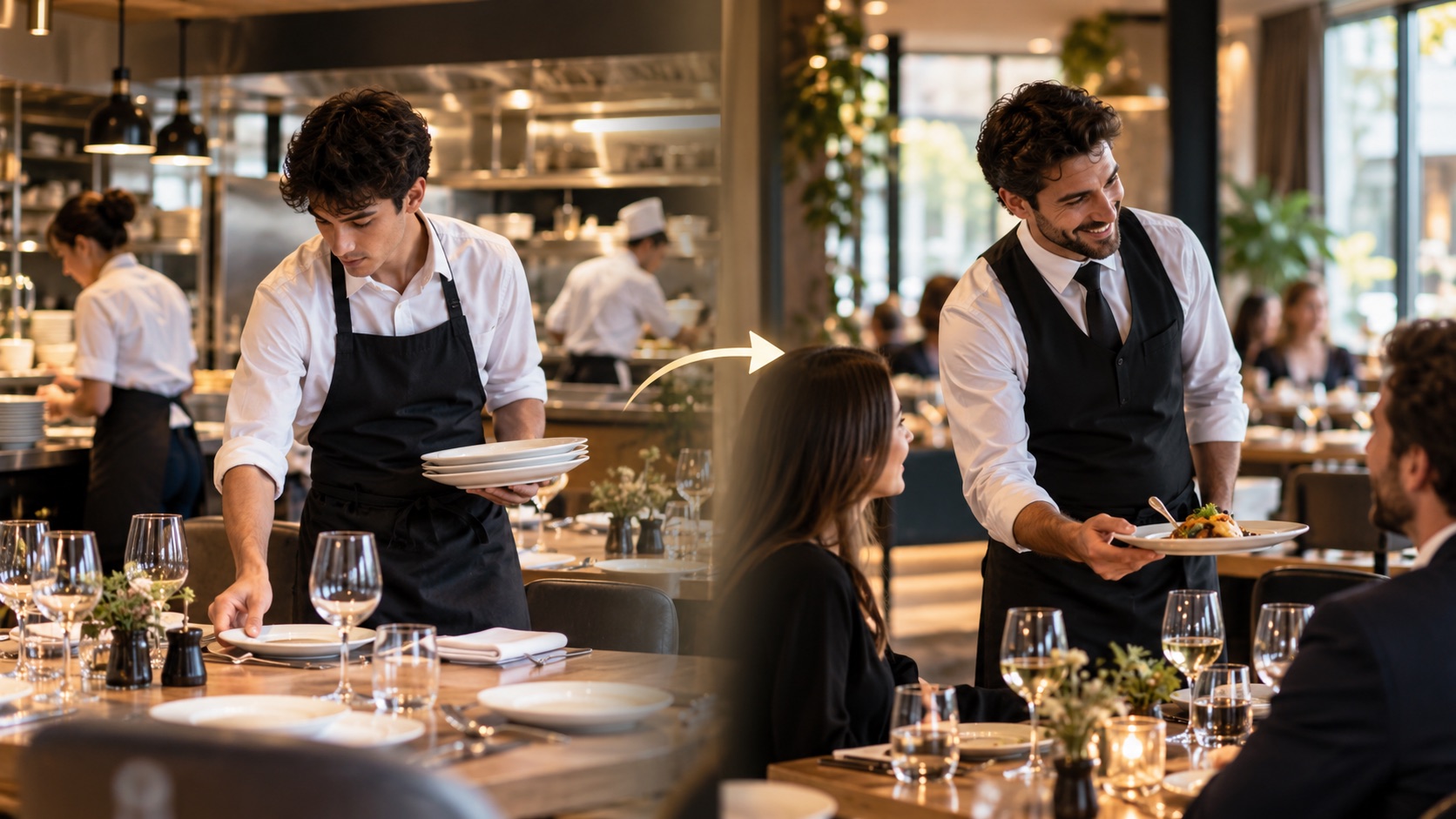
What Does a Runner Do in a Restaurant? How Is the Role Different from a Waiter?
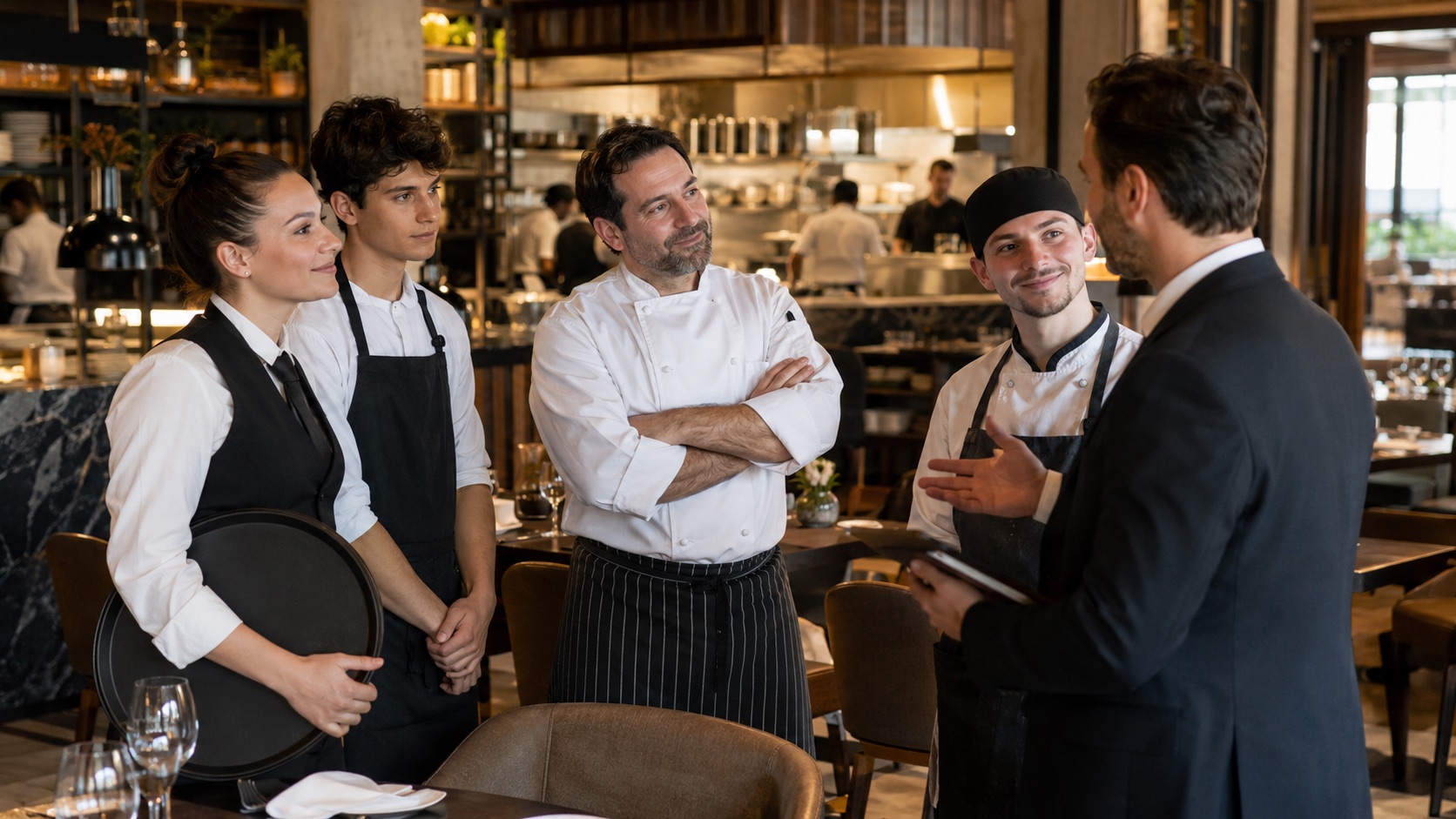
A meal leaving the kitchen is only half of the restaurant service process. The plate needs to reach the right table and the right guest with as little delay as possible and its presentation intact. This is where the answer to what does a runner do begins: a runner is a support team member who keeps food moving between the kitchen pass and the dining room and helps the service team use its time effectively.
In Türkiye, this position does not have the same title in every establishment. Job adverts may use “food runner”, “runner”, “busser”, “waiter’s assistant” or sometimes “busser-runner”. This makes it important to look beyond the title and examine the actual responsibilities in the job description.
What does a runner do? The basic job description
A restaurant runner is a service support team member who collects prepared food from the kitchen or service counter and delivers it to the correct table and guest quickly, safely and with nothing missing. Runners are usually responsible for the physical movement of an order after it leaves the kitchen, rather than taking the order itself. They stay in constant contact with waiters, the kitchen and, where necessary, the order-taking team.
Bridging the kitchen and dining room
Carrying plates is the most visible part of a runner’s job, but the role goes beyond simply delivering food. Checking which table a dish belongs to, spotting missing side dishes, maintaining the correct service sequence and passing information quickly to the waiter are also part of the job.
During busy service periods, waiters travelling to and from the kitchen for every order may have less time to attend to their tables. A runner takes on much of this movement, helping waiters stay in their sections.
Delivering the right plate to the right table
Accuracy matters just as much as speed. Runners need to know table numbers, dish names and seat numbers if the establishment uses them. For orders involving special requests, substitutions or allergen warnings, they should confirm details with the kitchen and the responsible service team member rather than make assumptions.
How do a restaurant runner’s duties change throughout a shift?
A runner’s duties extend beyond active service. Pre-service preparation, peak-time operations and closing procedures each create different needs.
What do runners do before service?
Before a shift starts, runners may help with the following tasks:
- Checking that the service counter or pass area is organised
- Replenishing trays, service equipment, cutlery and other supplies
- Reviewing table numbers and the dining room layout
- Learning about the day’s menu changes, unavailable items and special service notes
- Clarifying the division of responsibilities with waiters and the kitchen team
These preparations reduce unnecessary return trips once service gets busy.
What responsibilities do runners take on during service?
A runner’s pace picks up when service begins. The basic workflow is to collect ready plates promptly, follow the right route, preserve the food’s presentation on the way to the table and return to the kitchen for the next dishes after delivery.
Depending on the establishment, runners may also clear used dishes, deliver additional service equipment and help maintain table settings.
What do runners do at the end of service?
At closing or between service periods, runners may help organise used trays, station equipment and the service area. Reporting any missing supplies for the next shift is also important. The aim is not simply to tidy up, but to ensure the next service starts fully prepared.
What is the difference between a runner and a waiter?
The main difference between a runner and a waiter is the focus of their responsibilities. A waiter manages guests’ orders and their experience at the table; a runner helps food reach the correct table quickly and accurately. Waiters have broader communication and order-management responsibilities, while runners focus more specifically on food flow and service speed.
Waiters follow the table; runners follow the food
Waiters are generally responsible for welcoming guests to their tables, explaining the menu, taking orders, following up on additional requests, resolving issues and handling the bill.
Runners focus more on questions such as “Which table is waiting for which dish?”, “Which plate is ready?” and “Which item needs to go out first?” Although both roles move through the same dining room, they follow different operational priorities.
Do runners take orders?
In most establishments, runners do not have primary responsibility for taking orders. If a guest makes a request to a runner, the runner may be expected to pass it to the waiter or relevant team member. However, smaller businesses or teams with shared duties may give runners limited order-taking responsibilities.
The word “runner” in a job advert does not guarantee a specific scope of duties. During the interview, ask whether taking orders, using the POS system and handling payments are included in the role.
Are runners and bussers the same position?
In Türkiye, the terms runner and komi (busser or service assistant) are sometimes used interchangeably. Combined titles in current job adverts, such as “busser/runner/service staff” or “waiter’s assistant/runner-busser”, also show that the boundaries between these roles can vary by establishment.
Why are the roles confused?
Both runners and bussers support waiters, may carry food and work throughout the service area. Because these duties overlap, the two roles may be combined into one position, particularly in small and medium-sized establishments.
How can their operational responsibilities be distinguished?
Where roles are clearly defined, a runner’s main focus is moving prepared food from the kitchen pass to the table. A busser may have a broader service support remit, ranging from setting tables and clearing dishes to preparing stations and assisting waiters.
Rather than relying on the job title, it is more useful to ask: “Which task takes up most of this person’s time during a shift?”
Do runners work in the kitchen or the dining room?
Runners are not tied to a single location in the way a kitchen or dining room employee might be. The role involves moving constantly between a restaurant’s back-of-house and front-of-house areas.
Why is the pass or expo area important?
Many restaurants have a “pass”, “service counter” or “expo” point where finished plates are handed over for service. Runners often begin their workflow in this area.
This is where table details, service order and special notes are checked. Understanding this area well helps runners reduce the risk of wrong-table deliveries and missing items.
What should runners pay attention to in the dining room?
Once in the dining room, runners need to do more than choose the shortest route. They must also avoid blocking guests, carry hot and cold items safely, preserve the presentation of dishes and approach tables from the appropriate angle.
What skills should a good runner have?
Although the runner position is often considered entry-level, speed alone is not enough for good performance. It needs to work alongside attention to detail, communication and service knowledge.
Learning the table layout and dishes quickly
Frequently asking for table numbers slows service down. Learning the dining room layout should be one of a runner’s top priorities in the first few days.
Recognising dishes visually is equally important. Menu knowledge helps runners avoid delivering the wrong item and makes it easier to direct guests’ brief questions to the right person.
Communicating briefly and clearly with the team
Busy service requires quick, clear information rather than lengthy explanations. Short phrases such as “Table 12’s mains are ready”, “There’s a substitution on table 7” or “Which seat is this plate for?” help keep operations moving.
Physical stamina and safe carrying
Runners walk frequently, carry trays and plates and may spend long periods standing throughout a shift. Physical stamina therefore matters. However, safe carrying techniques should never be sacrificed for speed; preventing breakages, spills and workplace accidents must always take priority.
A runner’s speed depends on more than walking quickly
A good runner is not simply “the person who runs fastest”. Real efficiency comes from reducing unnecessary movement and doing the right tasks in the right order.
Knowing table and seat numbers
Knowing table numbers is a runner’s basic navigation skill. If the establishment uses seat numbers, learning each seat’s position makes it easier to place dishes in front of the correct guests without asking again at the table.
This reduces questions such as “Who ordered the burger?”, which can slow service, especially at larger tables.
Combining tasks along the same route
Instead of returning to the kitchen empty-handed or making unnecessary extra trips into the dining room, runners can plan their routes within the establishment’s procedures. For example, taking suitable used equipment back to the kitchen or replenishing missing service equipment on the way to the pass can improve efficiency.
How do runners check orders to avoid mistakes?
Runners do not prepare orders, but they are one of the final checkpoints before delivery. They therefore need to develop basic verification habits rather than simply picking up a ready plate and taking it out.
Reading tickets or KDS information
Depending on the establishment, order details may appear on a paper ticket, a POS printout or a KDS screen. Runners should be able to identify the table number, item name, quantity and any modifications.
Rather than guessing an unfamiliar abbreviation, they should ask the expeditor, kitchen team or waiter to confirm it.
How should runners handle special requests and allergen notes?
Allergy and special dietary notes require close attention. Runners should not interpret these notes based on their own knowledge; they should follow the establishment’s safety procedures and ensure the item has been verified with the appropriate person.
A runner’s job is not to make medical assessments, but to help information pass between the right team members without anything being lost.
Do runner duties vary by restaurant type?
Yes. The scope of a runner’s duties can vary with the restaurant’s size, service model, number of tables and team structure.
In busy à la carte restaurants
The runner role may be more clearly defined in large or busy à la carte operations. While several waiters manage tables in their own sections, runners distribute dishes from the kitchen pass throughout the dining room.
In this model, knowledge of the table layout, dish recognition and dispatch priorities becomes even more important.
In cafés and small establishments
In smaller teams, runner, busser and service staff duties may be combined in one position. The same employee may carry food, clear tables, serve water and assist the order-taking team when needed.
This makes it particularly important to discuss the scope of duties clearly during interviews with smaller businesses.
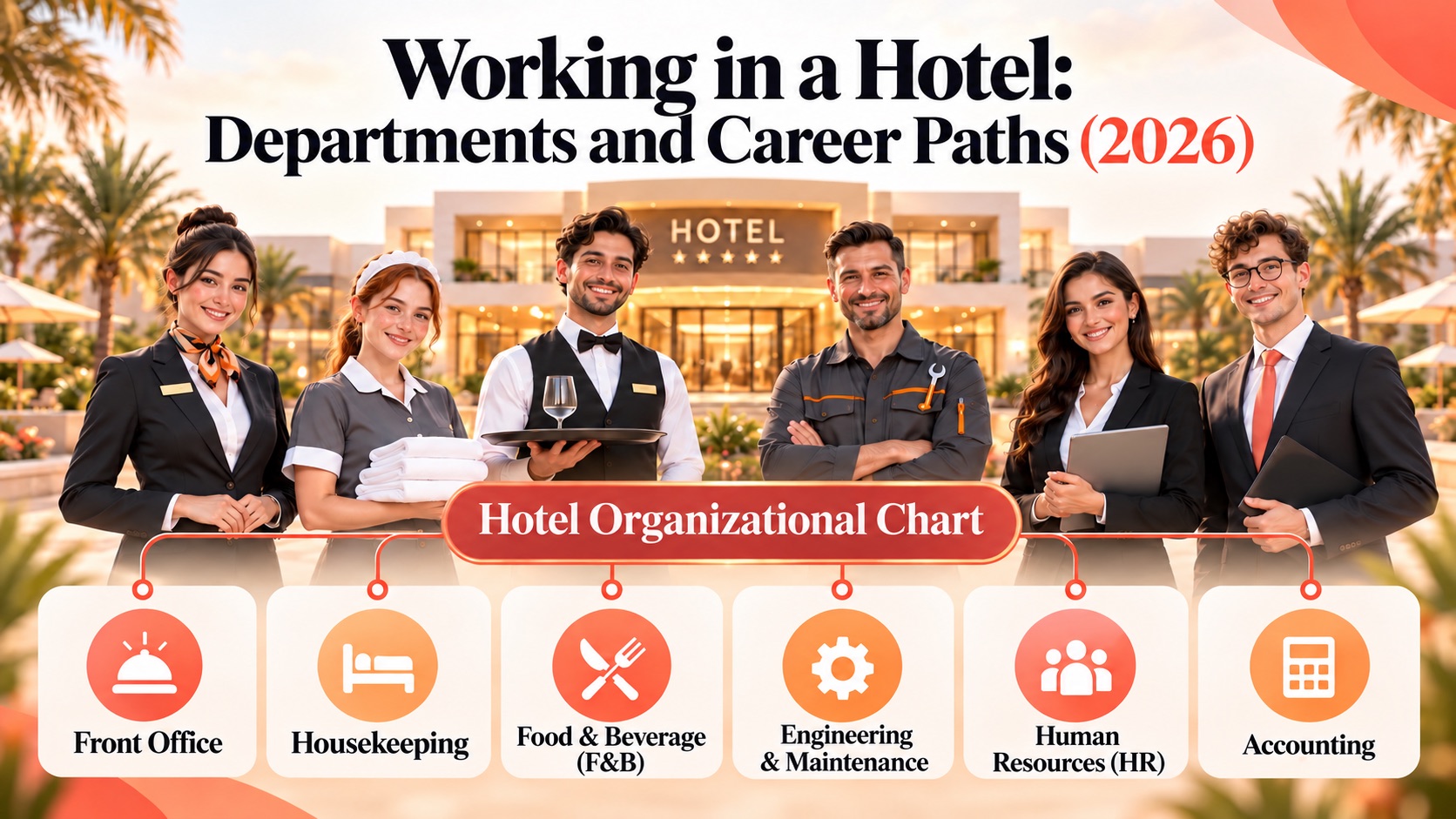
In hotel and buffet service
Hotels may also have more specialised positions, such as “buffet runner”. Here, the focus may extend beyond taking plates to tables to maintaining food flow at buffet stations, replenishing items and keeping the service area organised.
Is becoming a runner a good way to enter the restaurant industry?
The runner position can be a strong starting point for candidates who want to learn service operations on the job. It allows them to observe both the kitchen’s discipline in sending out dishes and the pace of dining room service during the same shift.
What should inexperienced candidates learn first?
Focusing on the following areas during the first few weeks can help you settle in faster:
Table locations and the dining room layout
Basic menu knowledge and dish recognition
The kitchen pass and ticket system
Tray and plate carrying standards
Short communication phrases used with waiters
Hygiene and food safety procedures
Who to inform about special requests
Understanding the recurring operational workflow is more effective than trying to learn everything at once.
Can runners progress to becoming waiters?
Over time, runners can progress to waiter roles by developing their menu knowledge, guest communication, POS skills and ability to manage tables. However, this progression is not automatic: it depends on the establishment’s career structure and the employee’s ability to take on broader responsibilities reliably.
Because the runner role offers a view of the entire service chain, it can provide a practical learning ground for a move into waiting tables.
How should you read runner job adverts?
A search for “runner jobs” may reveal very different duties under the same job title. Some establishments use runners exclusively as food runners, while others combine busser and service staff duties in a single advert.
Which phrases in an advert indicate a runner role?
The following phrases suggest a role close to the traditional food runner position:
- Carrying food from the kitchen to tables
- Delivering prepared orders to the correct tables
- Supporting service staff
- Coordinating between the kitchen and dining room
- Keeping track of table numbers and the dining room layout
- Working effectively in a busy, fast-paced environment
- Assisting with pre-service and post-service preparation
By contrast, if the advert places strong emphasis on taking orders, settling bills, sales targets and full responsibility for tables, the role may be closer to that of a waiter.
What questions should you ask during the interview?
The following questions can help clarify the job description:
- Does the runner only carry food, or does the role also include clearing tables?
- Does the role involve taking orders or using the POS system?
- How many waiters or tables does the runner support?
- Where does the runner collect food?
- If tips or a tip pool are used, how does the system work?
- Which duties are covered during training?
- Is there a career path into a waiter position?
These questions help you understand whether the title matches the actual experience of working a shift.
What should you highlight on your CV when applying for a runner role?
Someone looking for their first runner job may not have an extensive restaurant background. In that case, employers need more than the length of your experience: they need concrete examples of behaviours relevant to the role.
Which qualities can you describe if you have no experience?
Working at a busy pace, communicating with a team, paying attention to detail, coping with physical activity and learning quickly are all directly relevant to the runner role.
For example, if you have previously worked at events, in a shop, warehouse, café or another customer-facing operation, you can explain how you kept track of several tasks in a fast-paced environment.
How can a video CV benefit a runner candidate?
In restaurant recruitment, energy, communication and approach to work are not always easy to judge from a paper CV. Introducing yourself briefly and directly through a Video CV can make your motivation and communication style more visible, especially if you have limited experience.
CatchJobs’ HORECA focus helps candidates assess the differences between roles more clearly as they explore positions in the service industry.
How do you choose the right position between runner, waiter and busser?
When choosing a position, it is more useful to ask “Which responsibilities can I reliably take on right now?” than “Which role is better?”
You can find more guides to restaurant careers, job applications and service industry roles on the CatchJobs Blog.
Conclusion: Runners are the unseen link that keeps service moving
A runner’s job is more than collecting a plate from the kitchen and placing it on a table. Runners are part of the operational chain that gets the right dish to the right table and guest at the right time. The role requires speed, attention to detail, knowledge of tables, dish recognition and team communication all at once.
While waiters manage guest relationships and the overall service experience at the table, runners focus on food flow. Busser and runner duties may overlap or be combined in some establishments. When looking for work, focus on the actual tasks expected during a shift rather than the title alone.
If you want to take your first step into the restaurant industry, you can explore runner, busser, waiter and other hospitality positions on CatchJobs, then create your profile and video CV to give employers a more direct sense of your approach to work.