The People behind Dutch Hospitality: Maaike de Reuver, Food Inspiration
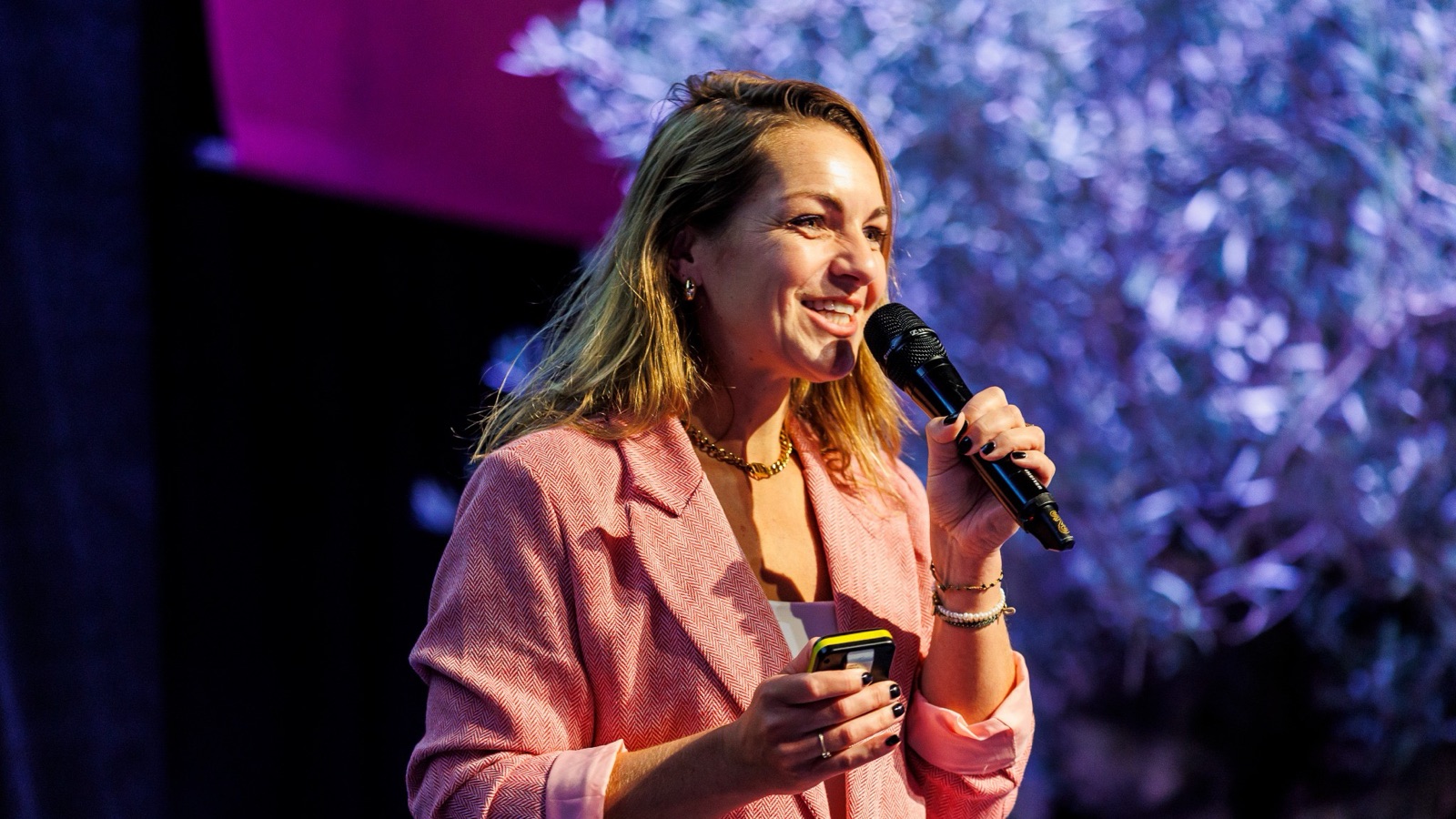
Maaike de Reuver, editor-in-chief & co-owner of Food Inspiration: "Renew with vision. Connect over ideas."
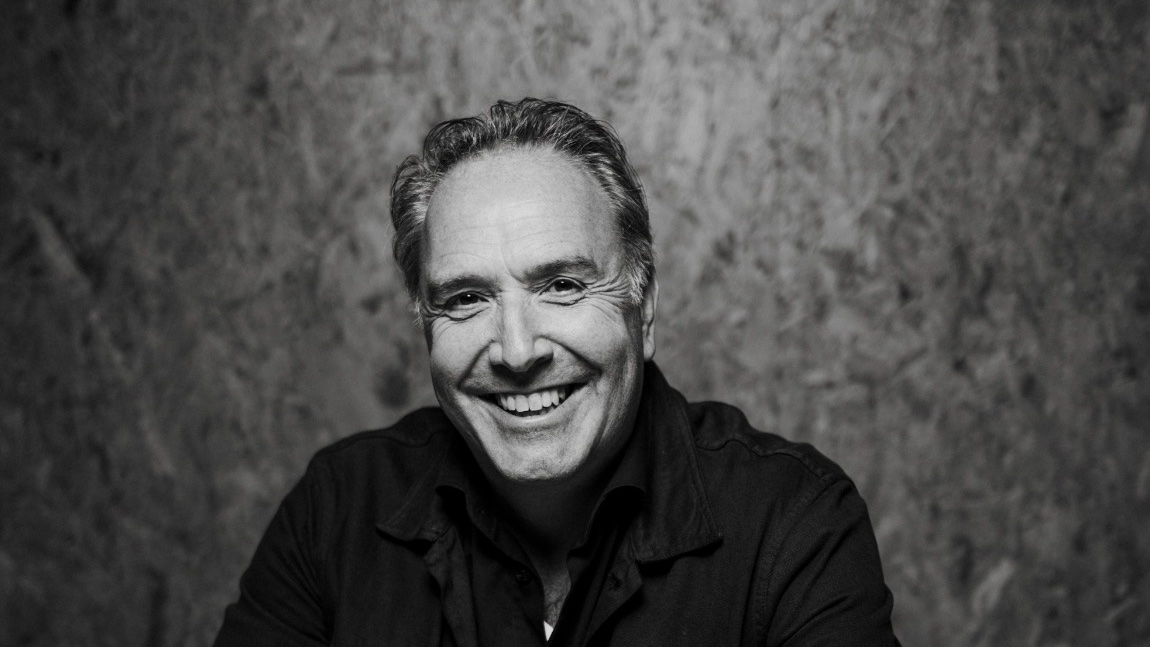
Maaike de Reuver is editor-in-chief and co-owner of Food Inspiration. While studying philosophy, she started WeCanteen in 2011, bringing local entrepreneurs together to improve food in university and workplace canteens. Today she follows and interprets developments in food, drink and hospitality. For this interview series, I speak with her about what those changes mean for Dutch hospitality: from new eating habits and technology to good employment practices and the people who make a difference.
George Kanis, Country Lead NL, CatchJobs · The People behind Dutch Hospitality, issue 02 · 15 September 2026
From philosophy to entrepreneurship
George: You studied philosophy. How did you enter the world of food and drink?
Maaike: I studied philosophy at the University of Amsterdam. At 21, a friend and I started developing an idea for a different university canteen. The existing food was expensive, unhealthy and unappetising.
In Asia, particularly Singapore, we saw university food courts. That seemed the ideal model for the Netherlands. We founded WeCanteen in 2011. Working with local entrepreneurs, the concept grew from university canteens to workplace canteens.
From an idea to Food Inspiration
"It began with a very simple question: why can't we do things differently here?"
George: Looking back, were you ahead of your time?
Maaike: In hindsight, yes. But we did not realise it then. Above all, we felt catering could be better. There was no deliberate plan to be visionary; it started with curiosity. With WeCanteen, we brought local entrepreneurs together, each with a speciality, such as plant-based or gluten-free food. This created more variety, first at universities and later in workplace canteens.
George: How did you then join Food Inspiration?
Maaike: We presented our concept at the Food Inspiration Days. That introduced me to the organisation. Later, we formed a joint venture with a facilities company and eventually sold WeCanteen entirely. Our catering concept complemented their cleaning, security and reception services. I then joined Food Inspiration as an editor. I have now been editor-in-chief for seven years and co-owner for three. We share trends and insights so businesses can make choices that suit their brands and products.
Eating habits: from the world to you
"Health is increasingly the main driver."
George: Vegetarian and vegan food get a lot of attention. What trends do you see in meat consumption and health?
Maaike: The focus is shifting from climate and ideals alone to personal health: what is good for me? People want more protein and fibre, and smaller portions. Health is increasingly the main driver.
George: I recognise that. Media reports show many vegan restaurants are struggling, while guests face conflicting messages about nutrition. Are consumers getting too much confusing information?
Maaike: Exactly. Science lacks the marketing power of commercial protein shake or supplement producers. Commercial claims thus get far more exposure than evidence-based nutrition information.
Smaller portions. New experiences.
George: What specific opportunities do you see for hospitality businesses in the next five to ten years?
Maaike: Drinks, especially alcohol-free and functional drinks. We also need to consider portion sizes. The heavy plates of the past no longer suit today's sedentary lifestyles. Guests want flexibility, sharing and smaller dishes.
George: How is interest in fine dining changing?
Maaike: Guests want more variety, experiences and a more informal atmosphere. We are moving towards fine casual: high quality in a relaxed, accessible setting.
"Quality still matters, but it need not always mean a heavy eight-course dinner."
Inspiration from Asia: technology with a human soul
George: You travel a lot for inspiration. Where are you looking now?
Maaike: We used to look to the US, but now focus strongly on Asia. Cities in China, Japan and Korea lead the way in digitalisation, quick service and robotics.
George: Yes! On a recent stopover in China, I saw an airport coffee robot. In no time, I had a consistently good cappuccino at a fraction of the Amsterdam price. Could robotics solve staff shortages here too?
Maaike: Behind the scenes, yes. Think smart ovens, data systems and automated preparation. Systems that measure food waste also help us work more efficiently and throw less away.
Dutch guests want personal contact and real hospitality at the front of house. Technically perfect coffee is not enough if service is unfriendly. If a guest finds it too weak, you can make another, explain and, for instance, offer it on the house. That makes people feel acknowledged. In quick service, speed and convenience often matter more: the right balance between people and technology depends on your concept.
"Technology should support the work, not replace the human soul."
Recruitment and good employment practices: give people room to grow
George: How do you reach and retain the next generation of employees?
Maaike: Adapt recruitment to your audience. Young people apply via WhatsApp or Instagram DM, not formal letters. Let them try a short paid shift quickly to see if it suits both sides. The channel depends on the role: LinkedIn may suit an experienced CFO. Also invest in good employment practices: training, clear boundaries and freedom at work.
George: Why is guidance so important?
Maaike: If you barely train someone with no experience, you cannot simply blame them when work goes badly. They may be the right person but need guidance. Training gives staff knowledge to share with guests. Benefits such as a gym membership, a meal at work or discounts within the restaurant group can also show you invest in them.
George: When hiring, do you favour education or personality?
Maaike: It depends on the role and concept. Cooking knowledge matters in a kitchen. You can develop other skills together. Not everyone needs to be outgoing: quiet employees can add great value too. Care and engagement can show in different ways.
AI, guest insights and priorities: keep listening, keep innovating
George: How do you use AI at Food Inspiration?
Maaike: Our editorial and social media teams always stay in charge. We use AI to suggest social media posts, translate and summarise reports. We never write entire articles with AI. It is a tool; people retain control.
George: How do you discover what your guests really want?
Maaike: Start a guest panel, for example. Invite ten regular guests to lunch each quarter and ask what they would like to see. Business owners sometimes assume they know their guests without asking. A routine "Was everything satisfactory?" does not automatically start a good conversation. Listening properly costs relatively little and can offer a lot.
George: What three priorities would you give hospitality businesses for the future?
Maaike:
- Keep investing in your staff.
- Keep updating your menu and listen to guests, for example through a guest panel.
- Set clear boundaries, with plenty of freedom and responsibility within them.
Closing message
Stay curious about your guests and your employees. Ask what they need, listen and act on their answers. Give people clear boundaries and room to grow. Technology can help, but hospitality starts with personal attention.
About Food Inspiration
Food Inspiration shares trends, inspiration and insights into the changing world of food and drink. Through its magazine, events and presentations, it connects international innovations with everyday hospitality practice.
About CatchJobs: people shape hospitality
That is why personality and skill deserve a place before the first conversation.
What we do: CatchJobs gives employers a platform to view hospitality profiles and video CVs and make direct contact. Candidates can showcase their experience, motivation and personality. Training badges provide further details of completed training.
Why: Hospitality has a face. A video CV gives a first impression of how someone presents themselves and communicates. Employers can combine that impression with experience, completed training and a personal conversation to assess the fit.
How: Meet directly. Employers view profiles and contact candidates. Candidates introduce themselves through a video CV. CatchJobs provides the tool; employer and candidate choose together.
Browse other topics: