Kitchen Hierarchy: From Commis Chef to Executive Chef
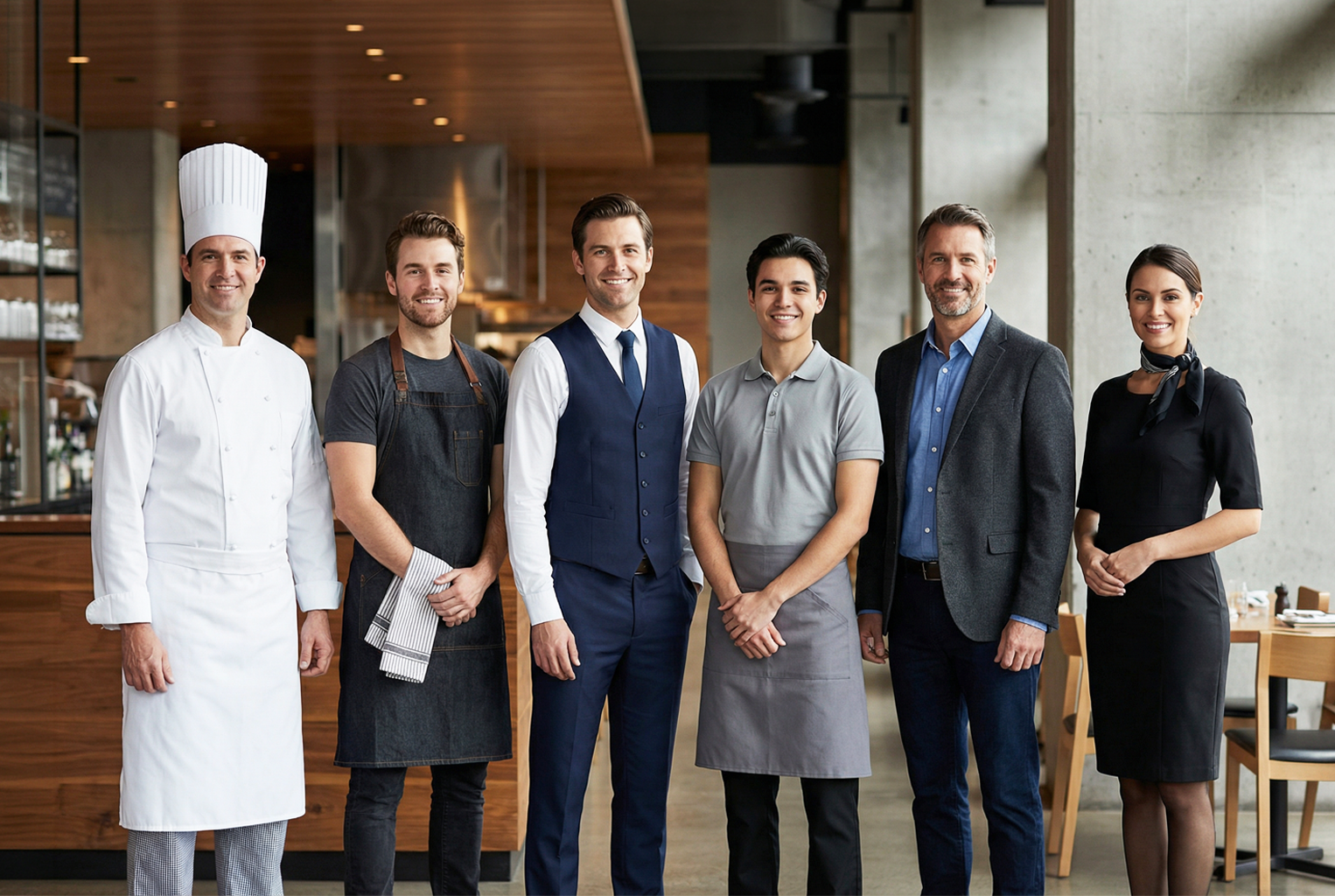
Success in a professional kitchen depends on more than serving delicious food. It also requires steady progress within a disciplined hierarchy. The kitchen hierarchy is a structured career ladder rooted in the brigade de cuisine system developed by Auguste Escoffier in the 19th century, with clearly defined responsibilities for each role. This guide explores every step from commis chef to executive chef, the skills needed at each level, and realistic career timelines, with examples from Türkiye. linkedin
What Is the Kitchen Hierarchy and How Does It Work?
The kitchen hierarchy is the system that defines responsibilities, reporting lines and career progression in a professional kitchen. It keeps operations running smoothly, even during busy service periods. Every position has a defined scope of work, reporting relationships and specific skills required for promotion to the next level. meslekmaas
The Hierarchy in a Modern Professional Kitchen
In a typical professional kitchen, the executive chef leads the team, followed by the sous chef, chef de partie, demi chef de partie and commis chef. Large hotel kitchens may have additional roles, including executive sous chef and chef de cuisine. yemek
Each level builds on the skills developed in the previous role and adds new responsibilities. A culinary career therefore requires patience and continuous learning.
Commis Chef: The First Step in a Culinary Career
A commis chef is typically the first formal kitchen position after an internship or placement.
After completing training in cookery, gastronomy or culinary arts and gaining practical placement experience, a new cook may start as a commis chef. This stage is essential for learning the fundamentals and developing the discipline expected in a professional kitchen.
Key Commis Chef Duties
A commis chef's main responsibility is to learn and put that learning into practice. Daily tasks include chopping vegetables, preparing mise en place, making basic sauces, cleaning the station and supporting senior chefs. Commis chefs work under supervision and are expected to follow instructions accurately and on time. meslekmaas
Core skills at this level include knife techniques, basic cooking methods such as boiling, frying and grilling, consistent food safety and hygiene practices, time management and effective teamwork.
Progressing from Commis Chef to Demi Chef de Partie
The typical time spent as a commis chef is 1–2 years. During this period, cooks should rotate through stations such as the hot kitchen, cold kitchen, grill and sauce section to broaden their experience. Promotion to demi chef de partie requires reliable execution of basic tasks, fewer errors and the ability to make straightforward decisions independently. otelciro
Large hotel and restaurant groups in Türkiye often prefer commis chef candidates with vocational school or gastronomy qualifications. Practical ability and a willingness to learn can also create opportunities for candidates without a formal qualification. As explained in CatchJobs' What Is a Video CV? Hospitality Recruitment guide, video profiles allow candidates to demonstrate their technical skills and enthusiasm for kitchen work directly to employers. gazetebirlik
Demi Chef de Partie: Moving towards Specialisation
A demi chef de partie bridges the gap between commis chef and chef de partie. It is often viewed as a training and development role: the cook takes on more responsibility within a section but does not yet have full ownership of it. hotelprofessionals
Demi Chef de Partie Responsibilities
A demi chef de partie reports directly to the chef de partie responsible for the station. Daily duties include advanced preparation, independently following complex recipes, supervising commis chefs and helping the station run smoothly during service. stories.metroag
At this level, cooks are expected to know recipes thoroughly, apply standards consistently, remain calm under time pressure, resolve straightforward problems such as ingredient shortages or equipment issues, and give commis chefs constructive feedback.
Progressing from Demi Chef de Partie to Chef de Partie
The typical time spent as a demi chef de partie is 2–4 years. During this period, cooks should develop in-depth expertise in at least two stations, such as sauces and grilling. Promotion to chef de partie requires the ability to run a station independently, develop recipes and demonstrate leadership when problems arise. otelciro
This is one of the first major milestones in a culinary career. While a demi chef de partie is still developing under supervision, a chef de partie becomes responsible for teaching and managing others. Leadership and communication therefore become as important as technical ability.
Chef de Partie: Taking Full Responsibility for a Station
A chef de partie is the first supervisory role in the kitchen hierarchy with full responsibility for a specific station. Also known as a station chef or section chef, this position marks a significant step into kitchen leadership. ciachef
Chef de Partie Duties and Operational Responsibilities
A chef de partie oversees all operations within an assigned section, such as sauces, grilling, fish, pastry or the cold kitchen. Responsibilities include planning and carrying out daily mise en place, checking that dishes meet recipe and quality standards, coordinating demi chefs and commis chefs, enforcing hygiene and food safety requirements, monitoring stock levels and reporting ordering needs to the sous chef. sanayigazetesi.com
At this stage, the chef is both a cook and a supervisor. The role requires a careful balance of time management, team coordination and quality control.
Specialist Stations and Career Options
Chefs de partie usually specialise in a particular area. Common roles include saucier (sauce chef), poissonnier (fish chef), rôtisseur (roast chef), entremetier (vegetable and soup chef), garde manger (cold kitchen chef) and pâtissier (pastry chef). Each station requires different technical skills, and this specialisation can influence later career opportunities. linkedin
The saucier role, for example, is often regarded as particularly technical and prestigious because sauces shape the flavour of many dishes. A fish chef must be skilled in handling delicate ingredients and applying precise, quick cooking techniques. ciachef
Progressing from Chef de Partie to Sous Chef
The typical time spent as a chef de partie is 4–6 years. During this period, chefs need to understand the wider kitchen as well as their own station. To progress to sous chef, candidates should gain substantial experience across several stations, understand cost control and staff management, and demonstrate that they can handle operational problems effectively. otelciro
This transition begins the move from technical specialist to kitchen manager. The focus expands from a single station to the efficiency and quality of the entire kitchen.
Sous Chef: Coordinating Daily Kitchen Operations
The title sous chef comes from the French words sous, meaning under, and chef, meaning chief. The sous chef is the second-in-command, reporting directly to the chef in charge. Often described as the backbone of the professional kitchen, the role combines leadership with hands-on work. ciachef
The Sous Chef's Daily Responsibilities
The sous chef takes charge of the kitchen when the executive chef is absent. Core responsibilities include checking mise en place across all stations before service, monitoring dish quality and presentation at the pass, planning staff rotas, overseeing supplier relationships and ordering, training new team members, supporting staff development and helping the executive chef develop menus. outreach-kitchen.vercel
Sous chefs make both operational and strategic decisions. Remaining calm and finding workable solutions during staff shortages, equipment failures or busy reservation periods is a central requirement of the role.
Experience and Skills Needed to Become a Sous Chef
Reaching sous chef level generally requires 6–10 years of professional kitchen experience. The source career pathway includes 1–2 years learning the fundamentals as a commis chef, 2–4 years specialising as a demi chef de partie, and 4–6 years developing station management and leadership as a chef de partie. These individual ranges total approximately 7–12 years, illustrating that progression varies rather than following a single fixed timetable. ciachef
Experience alone is not enough. Sous chef candidates should demonstrate in-depth knowledge of at least three stations, food cost and cost control skills, the ability to resolve conflicts and motivate a team, consistent quality under pressure, and the ability to turn the executive chef's vision into an operational plan.
In Türkiye, large hotel chains and fine dining restaurants often seek sous chef candidates with a degree in gastronomy and international kitchen experience. Strong references and a proven record may allow employers to consider alternative backgrounds.
The Final Step towards Executive Chef
The typical time spent as a sous chef is 2–4 years. During this period, chefs should develop executive-level skills in strategic decision-making, budgeting, menu engineering and managing multiple kitchen operations. Promotion requires an understanding of the commercial side of the business, including profitability, brand management and people management, as well as kitchen operations. otelciro
Executive Chef: Leading the Kitchen's Strategy
The executive chef sits at the top of the kitchen hierarchy. The role extends beyond food quality to include the strategic management, profitability and brand representation of the entire kitchen operation. meslekmaas
Executive Chef Duties and Strategic Responsibilities
An executive chef's responsibilities vary with the size of the operation. Typical duties include menu design and food cost optimisation; recruiting, training and managing kitchen staff; supplier relationships and purchasing strategy; oversight of hygiene and safety audits; strategic planning with restaurant or hotel management; and consistent implementation of brand standards across kitchen operations.
At this level, the chef spends more time leading the operation rather than cooking throughout every service. Within a large hotel group, an executive chef may oversee the kitchens of several restaurants.
How to Become an Executive Chef
Reaching executive chef level generally requires more than 10 years of professional experience. The journey involves a proven record at each stage and continuous development. Key capabilities include broad expertise across at least five kitchen stations, cost control and profitability management, people management and leadership, brand management, guest experience development, crisis management and strategic planning. otelciro
In Türkiye, executive chef roles often call for international experience, a gastronomy degree and strong references. Entrepreneurial chefs may also take on this title when opening and leading their own restaurants.
Chef Career Progression: A Realistic Timeline
A culinary career takes patience and discipline. The following overview illustrates progression from commis chef to executive chef. Timeframes vary by employer, kitchen structure and individual development; they are indicative rather than guaranteed promotion deadlines.
Commis Chef: 1–2 Years
The first 1–2 years focus on learning kitchen fundamentals. Rotations across stations help cooks gain broad experience. Key milestones include sound knife skills, food safety certification, time management and teamwork. theiimt
Demi Chef de Partie: 2–4 Years
At the 2–4-year stage, specialisation develops. Cooks gain deeper experience in at least two stations. Key milestones include knowing and consistently following recipes, independently resolving straightforward problems and mentoring commis chefs.
Chef de Partie: 4–6 Years
The 4–6-year stage focuses on station management and leadership. Chefs run their own station independently. Key milestones include station-level cost control, staff training and recipe development.
Sous Chef: 6–10 Years
At the 6–10-year stage, operational management and strategic thinking become more important. The sous chef leads the kitchen in the executive chef's absence. Key milestones include coordinating multiple stations, managing supplier relationships and contributing to menu engineering.
Executive Chef: 10+ Years
With more than 10 years of experience, the emphasis shifts towards strategic leadership and business management. The executive chef is accountable for the profitability of the overall kitchen operation. Key milestones include budget management, brand strategy and oversight of multiple kitchen operations.
These timeframes are indicative and depend on ability, working environment and learning pace. Some chefs progress faster, while others choose to remain in a particular role for many years. chefsbay.co
Kitchen Stations and Culinary Specialisations
Different stations in a professional kitchen require different areas of expertise. The following are common kitchen stations and their responsibilities. linkedin
Hot Kitchen Stations
Saucier (Sauce Chef): Responsible for sauces, sautéed dishes and the finishing touches on many plates. This is one of the kitchen's more technical roles. ciachef
Poissonnier (Fish Chef): Responsible for cleaning, filleting and cooking fish and seafood. The role requires careful handling of delicate ingredients.
Rôtisseur (Roast Chef): Responsible for roasted meats and, depending on the kitchen structure, grilled dishes. Expertise in meat cookery is essential.
Entremetier (Vegetable and Soup Chef): Responsible for vegetables, soups, eggs and starch-based accompaniments.
Cold Kitchen and Other Stations
Garde Manger (Cold Kitchen Chef): Responsible for salads, cold starters, sandwiches and associated dressings and sauces. linkedin
Pâtissier (Pastry Chef): Responsible for desserts, pastries, breads and other baked products, depending on the operation. Pastry can also offer a distinct career path.
Tournant (Relief Chef): A versatile chef who can work across stations and cover staff absences. This role is particularly valuable during busy periods.
The choice of specialisation can shape later career opportunities. For example, experience as a saucier can provide a strong technical foundation for progressing towards executive chef roles in fine dining restaurants.
Modern Hospitality Recruitment: Video CVs and Digital Profiles
Traditional written CVs cannot always convey a candidate's full potential in a culinary career. Video CVs and digital profiles allow applicants to demonstrate their technical ability, communication skills and enthusiasm for kitchen work directly to employers. cvanaliz
How a Video CV Can Support Your Culinary Career
A video CV can showcase knife skills and basic cooking techniques, knowledge of kitchen terminology, communication skills, teamwork, leadership potential and attention to hygiene. As explained in our What Is a Video CV? Hospitality Recruitment guide, video profiles can give employers a more direct view of practical ability than a written CV alone.
Hospitality recruitment platforms such as CatchJobs enable candidates to create video profiles and help employers identify suitable talent. This can be especially useful for early-career commis chefs and demi chefs de partie in the hotel, restaurant and catering (HORECA) sector.
The Role of Hospitality Job Platforms
Specialist hospitality job platforms help connect relevant candidates with suitable businesses. Listings such as the BigChefs Waiter and Service Assistant Role illustrate opportunities in the wider hospitality sector and can help candidates explore roles near them. cvanaliz
Location-based matching helps jobseekers find nearby employers and businesses identify local talent. Platforms developed by founders with industry experience can also reflect the practical needs of both employers and employees.
Frequently Asked Questions
What Is the Kitchen Hierarchy?
The kitchen hierarchy defines responsibilities, reporting lines and career progression in a professional kitchen. A typical structure places the executive chef at the top, followed by the sous chef, chef de partie, demi chef de partie and commis chef. yemek
What Does a Commis Chef Do?
A commis chef is typically the first formal kitchen role after an internship or placement. Main duties include chopping vegetables, preparing mise en place, making basic sauces, cleaning the station and supporting senior chefs. The emphasis is on learning and developing professional kitchen discipline. lezzet.com
How Many Years of Experience Do You Need to Become a Sous Chef?
Becoming a sous chef generally requires 6–10 years of professional kitchen experience, although some career paths take longer. Candidates typically progress through commis chef, demi chef de partie and chef de partie roles. Experience alone is not sufficient: leadership, cost control and problem-solving skills must also be demonstrated. ciachef
What Is the Difference between a Chef de Partie and a Demi Chef de Partie?
A chef de partie has full responsibility for a station and manages its operation independently. A demi chef de partie supports the chef de partie, takes on delegated responsibilities and continues developing towards full station leadership. stories.metroag hotelprofessionals
Take the Next Step in Your Culinary Career
The kitchen hierarchy offers a rewarding career path for people willing to develop their skills with patience and discipline. With thoughtful planning and continuous learning, a commis chef can work towards an executive chef position.
Every career starts with learning the fundamentals. Focus on performing well at each stage and steadily developing the skills needed for the next role.
To explore your next opportunity, visit CatchJobs and browse industry resources on our Blog, including Waiter Interview Questions: A Guide for Employers. Create a profile and add a video CV to show employers your skills directly.
Hospitality businesses are looking for motivated, skilled culinary professionals. Where will your next chapter begin?